Bees, butterflies and birds……
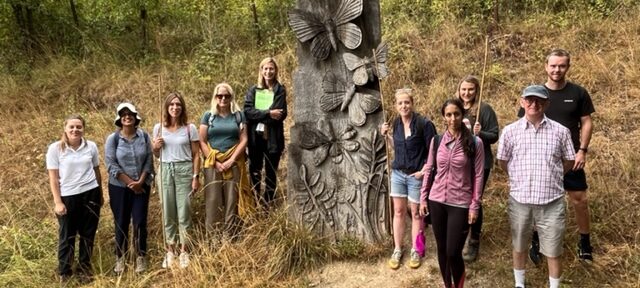
Earlier this year we offered to organise a volunteering day for our team at National Highways, unaware at the time of the logistical challenges and post covid wait lists that would follow. Fast forward six months and we have just spent the most incredible day with representatives from the Surrey Hills Society (both the Chairman, Gordon Jackson, and the Project and Volunteer Co-ordinator, Christa Emmett) measuring hedgerows and identifying butterflies whilst being educated on conservation, species and wildlife.
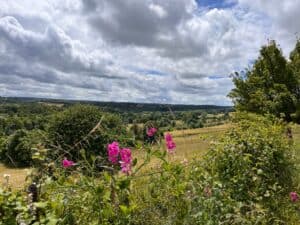
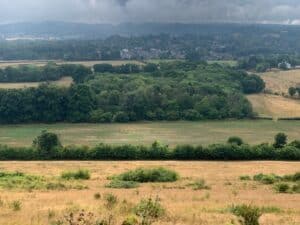 From the outset the Surrey Hills Society responded promptly, providing all the information that we requested, and offered to put together a day that factored in everyone’s needs. On the day itself we had a welcome briefing from the Chairman of the Society before making our way to the footpaths of the Surrey Hills. And wow – what a view!
The scenery was stunning. Absolutely spectacular and had the feeling of being both completely unspoilt but yet cared-for. It was so refreshing to see the endless open countryside with wonderful views, incredible trees and signs of wildlife enjoying the day as much as we were. And what was more was the silence. No sounds of cars or phones anywhere and such a welcome break from our hectic office days!
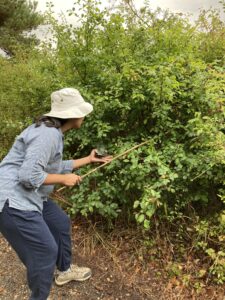
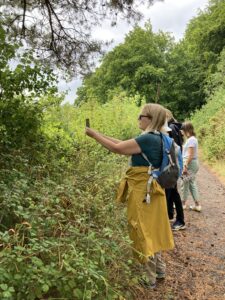 Split into two groups, our first task was to take part in the Great British Hedgerow Survey. Equipped with guides, diagrams and cane sticks to help us with accurate measuring, we analysed sections of hedgerows, identifying plant varieties, measuring height and depth, noting down any large gaps and answering multiple questions to help guide future conservation work. The Surrey Hills team explained how important the hedgerows are for food, shelter and access routes, with many species wholly dependant on them for their survival. We learnt a great deal about the difference types of species, both plants and animals, that make up a seemingly common hedgerow.
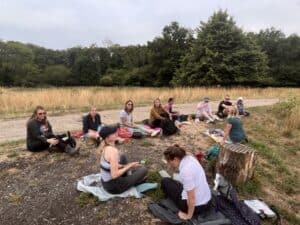
After a picnic lunch, we walked a section of the Leith Hill Greenway, a 15km multi-user, off-road route which links Box Hill with Surrey’s highest point, Leith Hill. At the same time, equipped with guides we were asked to spot and identify any butterflies we encountered enroute, of which there were many. Such data-gathering is critical to assessing the health of the rare butterfly population and the information we recorded would help the Society to plan future butterfly conservation activities.
We all have busy jobs, stressful and demanding at times, but left feeling calm and collected, having enjoyed an informative and fun day, thanks to our fabulous representatives from the Surrey Hills Society. It is true when they say that the Surrey Hills are open to all and they left a strong impression. We felt humbled when we learnt about the incredible work that the Society carries – out, engaging with all members of the community and caring for this precious countryside so that it can be enjoyed by everyone.
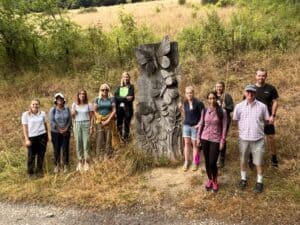 Some people may mistakenly believe those managing the nation’s motorways wouldn’t be the first to appreciate the nature and beauty of our landscapes, but that misconception could not be further from the truth. Indeed, it has long been a key priority for National Highways to manage the balance between the safety and convenience of those using our roads with the preservation of the landscapes they pass through. This trip highlighted the need for us to continue to prioritise that important work.
A huge thank you to all and we will be back to plant hedgerows in the Spring! We couldn’t have had a better-organised, more successful day.
National Highways 16 August 2022

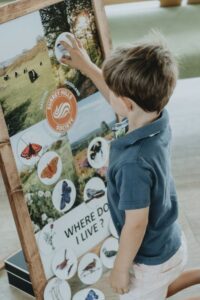
 There were lots of fun activities for the 19 children who attended including the ‘Where do I live’ magnetic board game supplied by Christa and Ash.
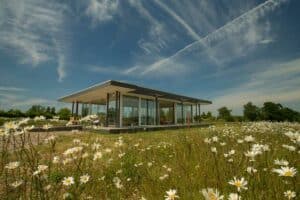 The children could then occupy themselves back at the spacious Pavilion with panoramic views of the reserve. They could make Pom Pom sensory balls, Salt Jars, stone painting and friendship bracelets. The Surrey Hills Society provided colouring pages of animals and a guide book of what is available in the Surrey Hills.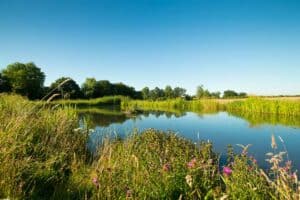

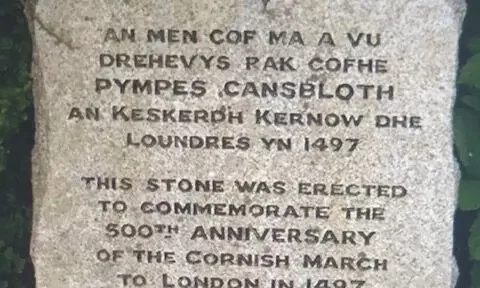
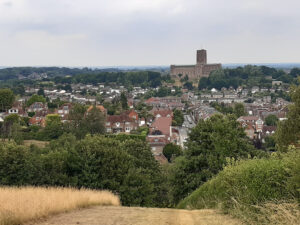
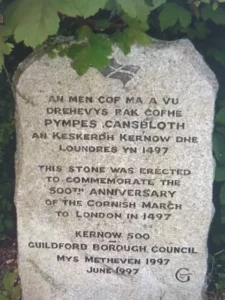 In 1997, a commemorative march named Keskerdh Kernow (Cornish: “Cornwall marches on”) retraced the original route of the rebels from St. Keverne to Blackheath to celebrate the 500th anniversary of the Cornish Rebellion. A statue depicting the Cornish leaders was unveiled at St. Keverne and commemorative plaques were unveiled at Guildford and on Blackheath.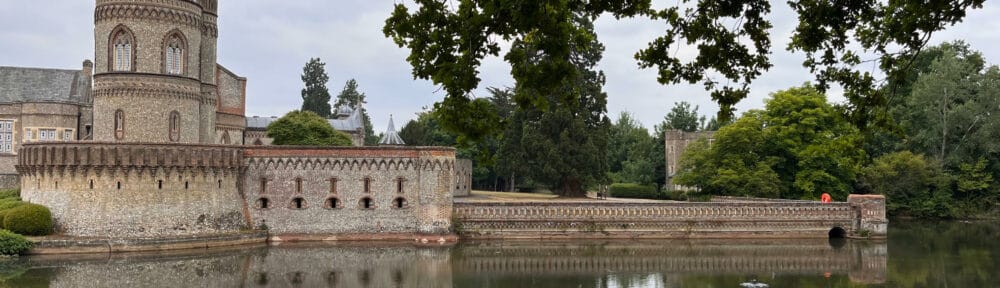
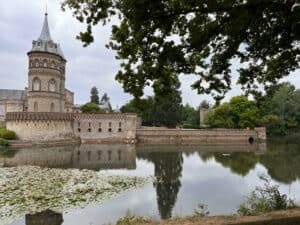
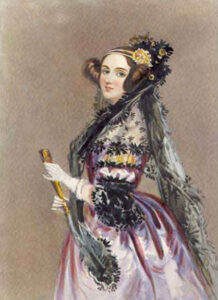
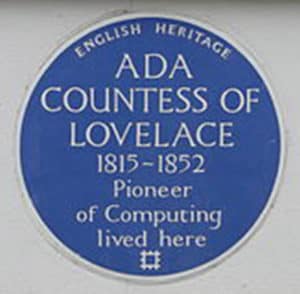 Surrey Hills Society members were recently treated to a fascinating talk on Ada Lovelace by local historian, Roger Price. This was followed by a tour of the garden before returning for lunch on the terrace. After lunch we were able to access the exquisitely decorated family chapel.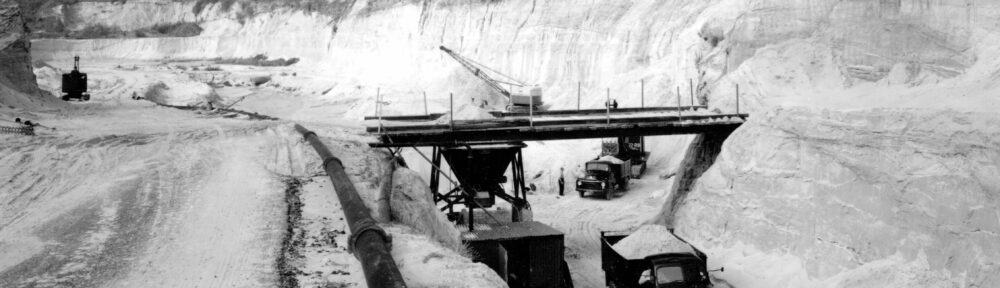
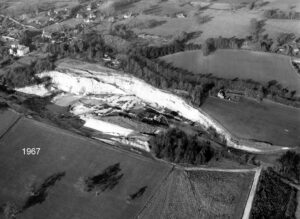 The UK quarrying industry is one of the oldest industries in the country and for hundreds of years was an integral part of our industrial heritage. Several formerly active quarries in Surrey have now been transformed into conservation areas and recreational facilities.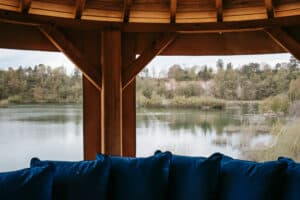
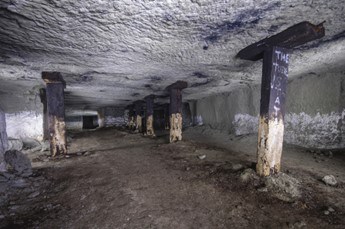
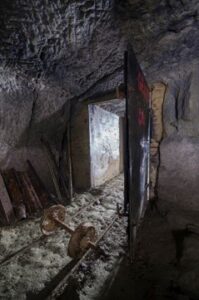
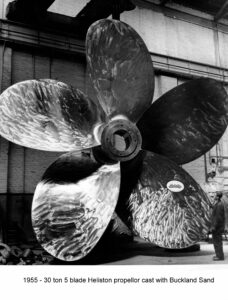 The “Folkestone beds” along the foot of the North Downs contain some of the purest silica sand deposits in the country. Its low metal content makes it useful in a range of industries including glass and foundry casting. At its peak Buckland Sand & Silica Co. Ltd, owned by the Sanders family since 1925, had up to 15% of the national sand market. The sand had interesting uses from casting the propellers of the Queen Mary through to the moonscapes on the set of Stanley Kubrick’s 2001 A Space Odyssey.
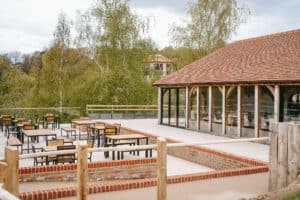 There are plenty of ongoing challenges. “Higher footfall means a better return on the large investment, but overcrowding would spoil the ambience,” said Dominic. Do they think they have succeeded? “Overall, we are very pleased with the results. Although we have had far more visitors than we expected we believe we have been successful in not overcrowding the site. However, we are trying to remain honest about how much lies ahead and what we must do to achieve the standards to which we aspire for our visitors.” And what about Tapwood on the other side of the A25? According to Dominic it is unlikely it will ever be suitable for general public enjoyment due to its topography and location.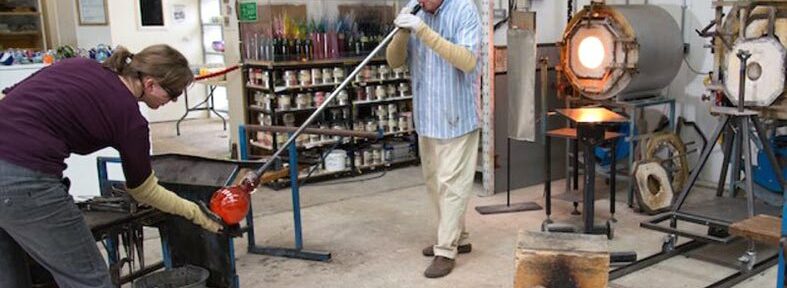
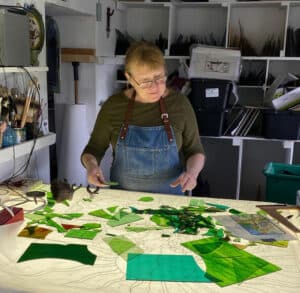
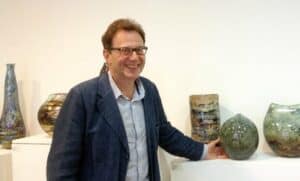 Perhaps one of the most well-known is Adam Aaronson considered one of the UK’s leading glass artists. At his studio in West Horsley, he specialises in free-blown glass, runs beginners’ courses in glassblowing and designs and makes a range of interior design accessories. Visitors to the studio are welcome Tuesday through Sunday.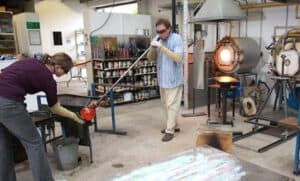
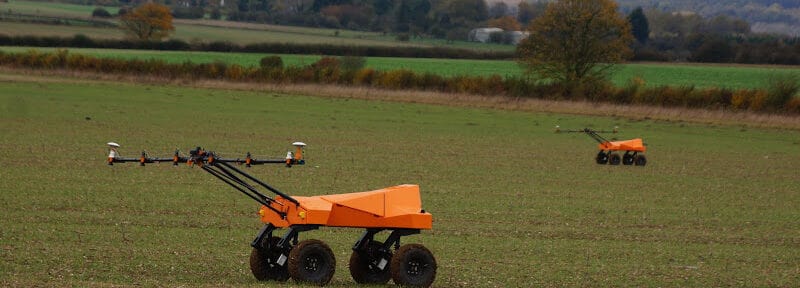
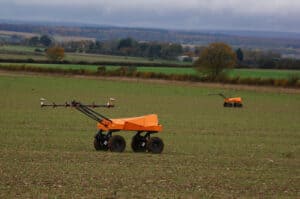 Rowan Duckworth of the Small Robot Company explains how companies like theirs are using AI to help farmers make more informed and precise decision